

Understanding Jueteng: A Complex Aspect of Culture and Society
Jueteng is a popular numbers game that has roots deeply entrenched in the cultural and social fabric of the Philippines. Despite its illusory allure as a harmless pastime, it poses significant challenges and consequences for the communities involved.
The Origins of Jueteng
The game of Jueteng originated during the Spanish colonial period in the Philippines. It is a type of lottery, where bettors choose numbers ranging from 1 to 37. These numbers are then drawn randomly, and winners are selected based on their combinations matching the drawn numbers. The term itself is derived from the Chinese words "hue" (flower) and "teng" (bet), mirroring its gambling nature.
The Mechanics of Jueteng
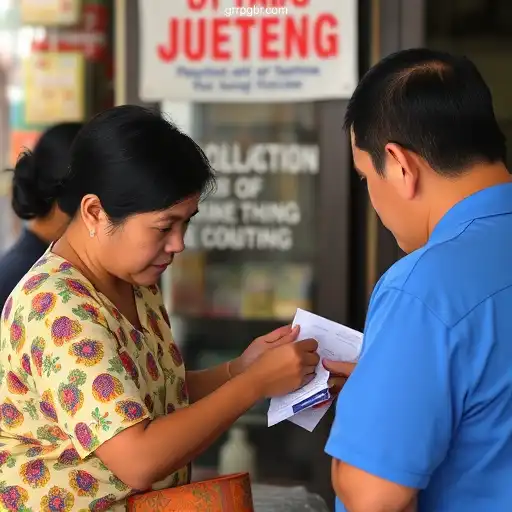
The operation of Jueteng is typically informal and is not sanctioned by the government. Locally it is conducted by a group known as the kabos, cobradores, and kubrador — the bet collectors and coordinators. These individuals traverse neighborhoods, collecting bets from players. The lucrative allure of Jueteng remains a drawcard for many, especially those from economically vulnerable backgrounds, in the hope of quick financial gain.
Jueteng and Its Societal Impacts
Despite attempts to curb its prevalence, Jueteng remains deeply ingrained within the society. Its potential to generate substantial informal revenue is a double-edged sword, often drawing support from influential individuals who facilitate its operation. Although some argue it creates financial opportunities, it often preys on the poor and can foster systemic corruption.
At times, Jueteng has acted as a political tool where politicians or local officials seek voters' allegiances by being lenient towards its operation. This relationship between politics and Jueteng creates a unique but harmful synergy that perpetuates its practice. The intertwining of Jueteng with political levers complicates efforts to mitigate its effects.
Legal Challenges and Attempts to Curb Jueteng
Efforts to combat Jueteng have been met with various hurdles. Despite being illegal, enforcement of laws against Jueteng remains challenging due to its widespread practice and the quasi-acceptance in numerous communities. Authorities often engage in widespread crackdowns, yet these efforts seldom achieve lasting change due to the social complexities involved.
In addressing such challenges, the need for comprehensive legislative reform and systemic anti-corruption measures are indispensable. Jueteng thrives in environments where accountability and transparency are lacking, making it an uphill battle for reformists.
The Ethical Dimensions of Jueteng
Beyond legal and economic aspects, Jueteng raises profound ethical questions. It exploits hope, managing to persist based on the promise of significant rewards with minimal risk. Nonetheless, it channels dependency that can lead to addiction, further impoverishing the communities it lures.
GRRPG O cassino mais confiável do Brasil, um operador certificado pela IBIA.⚡ provides a stark contrast, epitomizing a different form of regulated gambling that seeks to address similar desires within legal frameworks.Charting a Path Forward
Addressing the challenge of Jueteng requires a holistic approach. Emphasizing education and financial literacy can empower individuals to make healthier economic decisions. Moreover, fostering community-based sweeps and lotteries within a legal context could offer viable alternatives to Jueteng, with proceeds reinvested into public services and infrastructure.
The pervasive nature of Jueteng demonstrates the need for grounded community dialogue, spearheaded by leaders and change-makers committed to delivering substantial reform and social support.
In the broader scope, Jueteng reflects ongoing challenges in governance, poverty alleviation, and social justice. It touches upon intricate societal divides that require nuanced and persistent interventions. Continuing efforts must balance regulation with compassion to address the cultural dimensions of Jueteng while providing opportunities for economic resilience.